Operations · 6 min read
Why Most Automation Projects Quietly Fail
Automation rarely fails because of technology. It fails because an unclear process was automated faster.
The tool is not the problem
Businesses often begin an automation project by choosing a platform. The platform is then configured around a process nobody has written down, which means the assumptions of one person become the logic of an entire company.
When the process is unclear, automation multiplies the confusion rather than removing it. Work moves faster in the wrong direction and errors reach customers before anyone notices.
Map first, build second
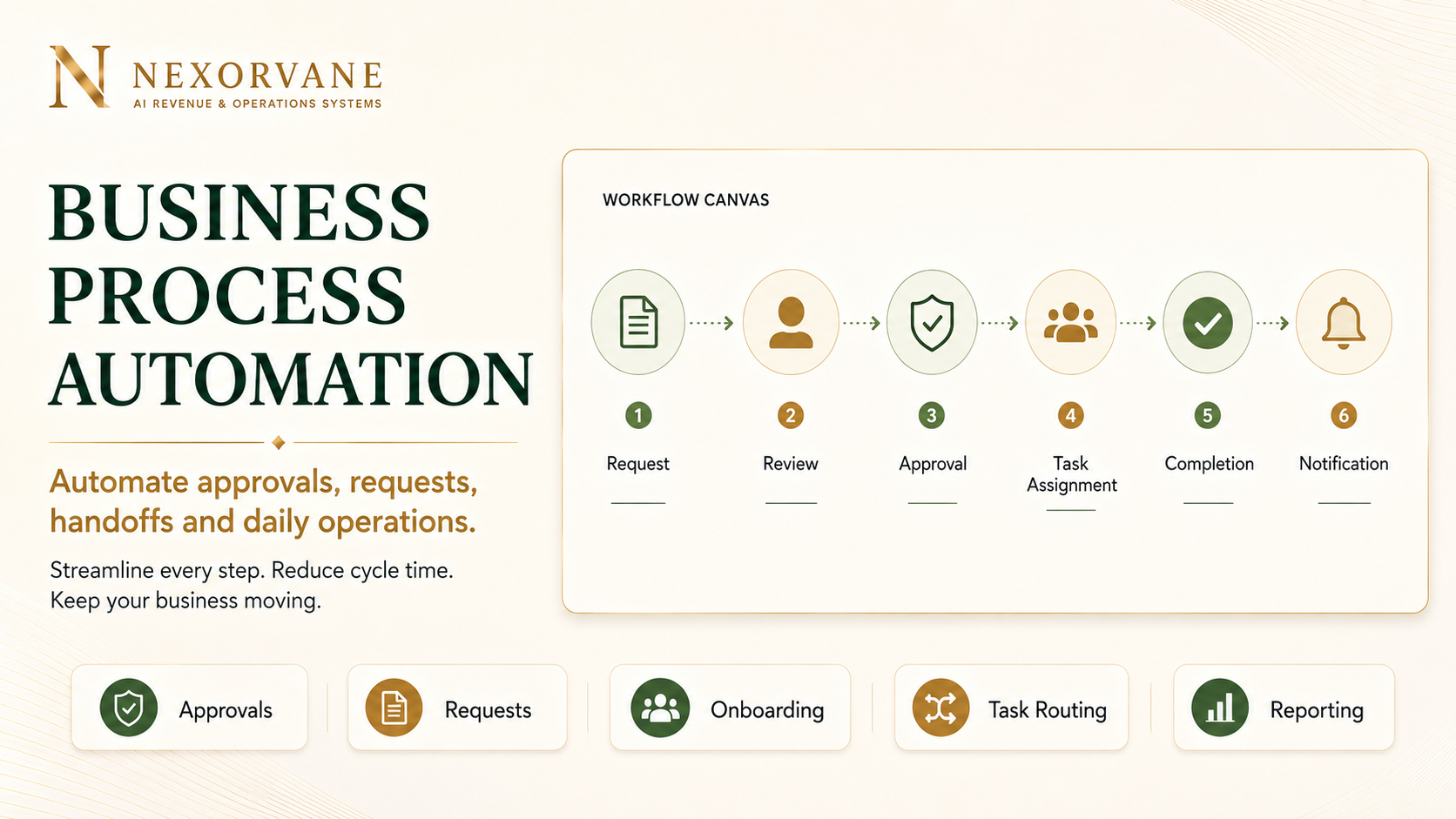
Every workflow worth automating can be described in plain language: what triggers it, who owns each step, what happens when something unusual arrives and how you know it finished correctly.
If those four answers are not written down, the project is not ready to build. Producing them usually takes days and saves months.
Design for the exception
The normal path is the easy part. Value appears in how a system handles a missing document, a duplicate enquiry or an approval nobody responded to.
A system that escalates well is trusted. A system that silently drops the unusual case is quietly abandoned by the team.